Copenhagen Climate Ministerial: The Quiet Room Where Climate Policy Is Stress Tested
What emerged from the Copenhagen Climate Ministerial, 20-21 May 2026, was not a breakthrough agreement, nor any formal communiqué. As with previous editions of this informal gathering, there was no official outcome text and no binding decisions. But post-meeting briefings and aligned policy readouts point to three clear areas of convergence among participants: a growing acceptance that implementation capacity is now the central constraint on climate action, an intensified focus on electricity system build-out as the core of the transition, and continued unresolved tension over climate finance at scale for emerging economies.
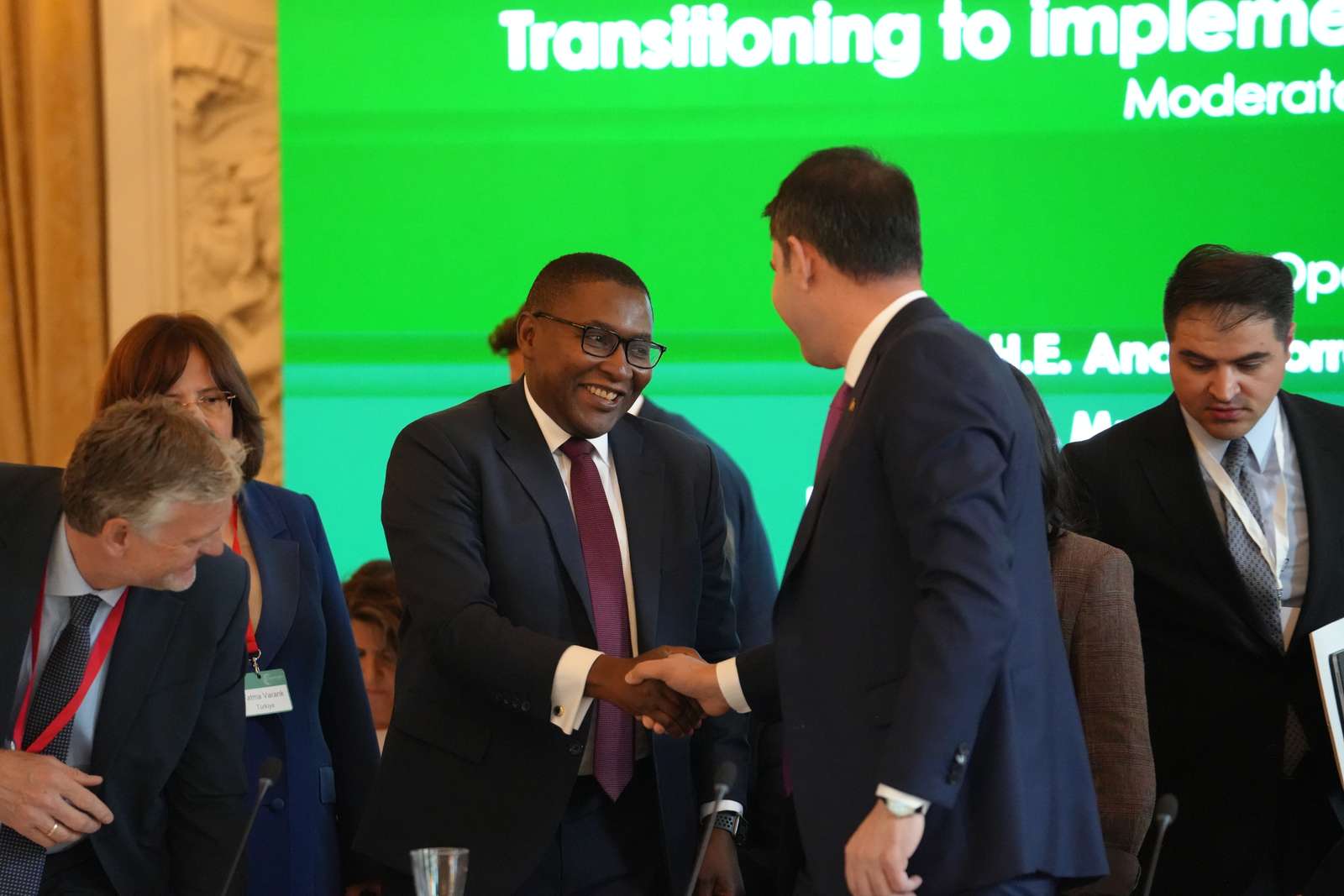
In other words, the tone was less about raising ambition and more about confronting feasibility.
There was a broad sense, reflected in multiple policy summaries circulating after the meeting, that the decade of target-setting is giving way to a decade of delivery stress. Governments are increasingly aligned on long-term net-zero frameworks, but far less aligned on the administrative, financial, and infrastructural machinery required to deliver them.
This matters because the Copenhagen ministerial is not a formal negotiation. It is an informal, invitation-only setting convened by Denmark with a rotating group of roughly 30 to 40 countries, alongside EU officials, COP presidency representatives, and advisers from institutions such as the International Energy Agency and policy organisations including E3G. There is no permanent membership and no institutional continuity in the legal sense, but there is a clear pattern of recurring participation.
It has taken place roughly a dozen times over the past decade, typically once a year since the mid-2010s, and functions less as a decision-making forum than as a pre-COP calibration space.
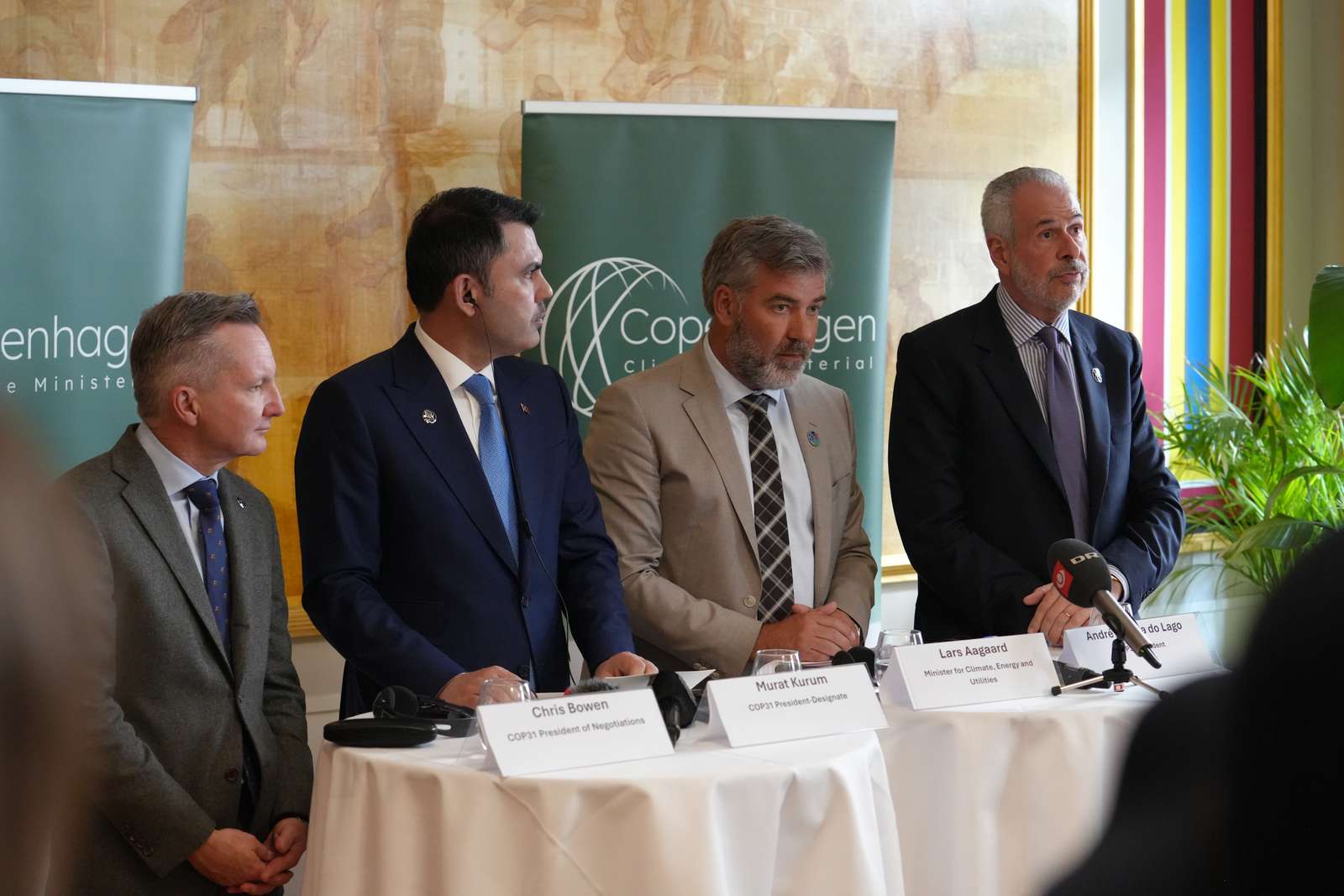
The 2026 meeting continued that pattern, but with a noticeable shift in emphasis. Several participating governments reportedly focused discussions on the growing mismatch between climate commitments and the capacity of states to deliver at speed. The phrase that circulated in multiple briefing summaries was a variation of the same idea: ambition is no longer the bottleneck, execution is.
That framing was most visible in discussions on energy systems. Climate diplomacy is increasingly moving away from treating emissions as a standalone policy objective and towards treating electricity systems as the central organising problem.
The underlying driver is structural. Electrification of transport and heating is accelerating, while electricity demand is also being reshaped by digital infrastructure growth, including large-scale data centres linked to artificial intelligence systems. In this context, several participants reportedly argued that the transition is now fundamentally a question of grid expansion, permitting speed, and industrial power demand management.
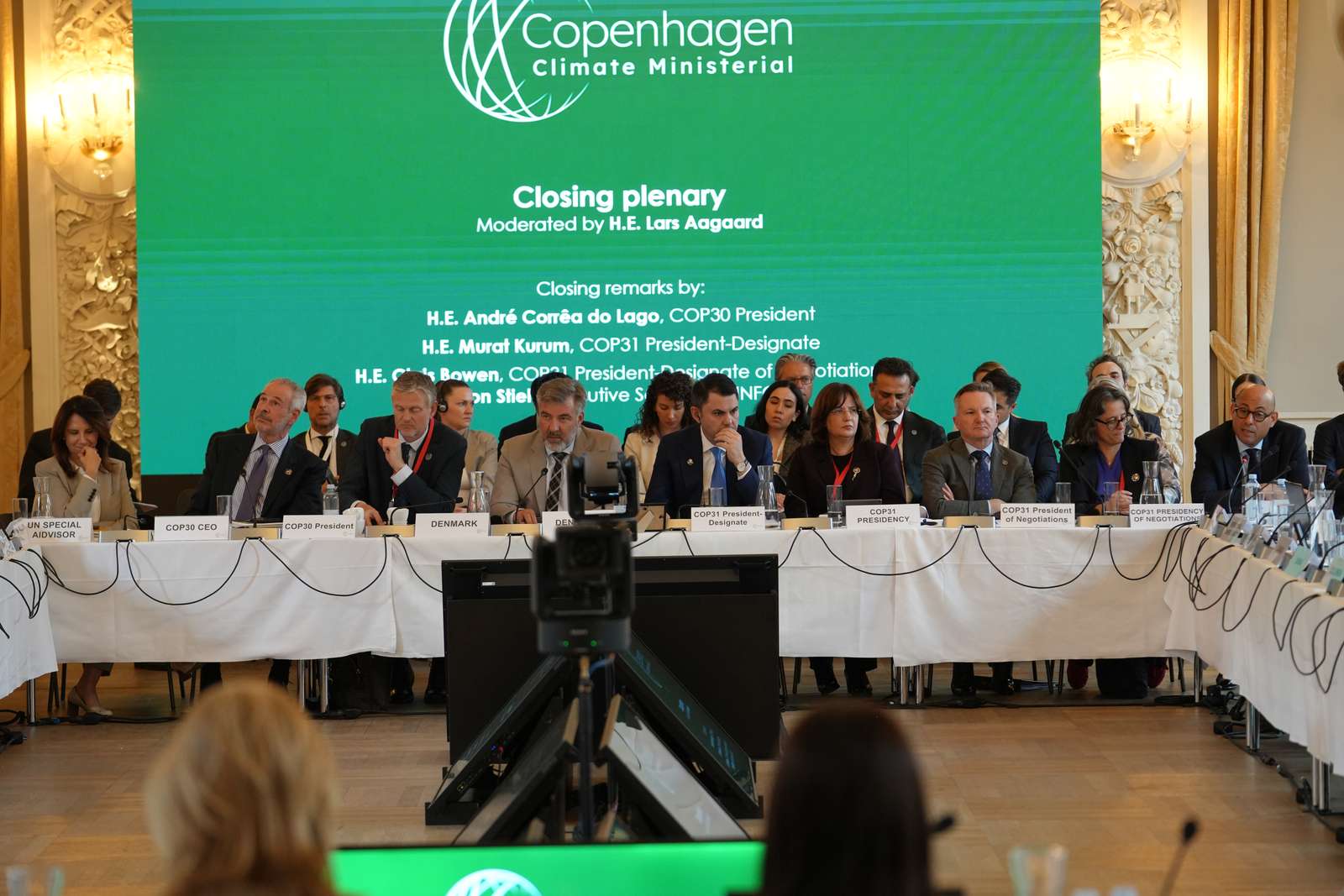
A recurring theme in the 2026 discussions was that climate policy can no longer be separated from infrastructure policy. The transition is increasingly understood as a system-wide build-out problem rather than a marginal fuel substitution problem.
Climate finance remained the most politically sensitive issue. Emerging economy representatives reiterated a consistent concern that commitments without predictable and scalable capital flows risk becoming politically and economically unworkable domestically. The tension is not new, but what stood out in Copenhagen was how central it remains even in smaller, pre-negotiation settings where governments are trying to narrow differences ahead of formal COP talks.
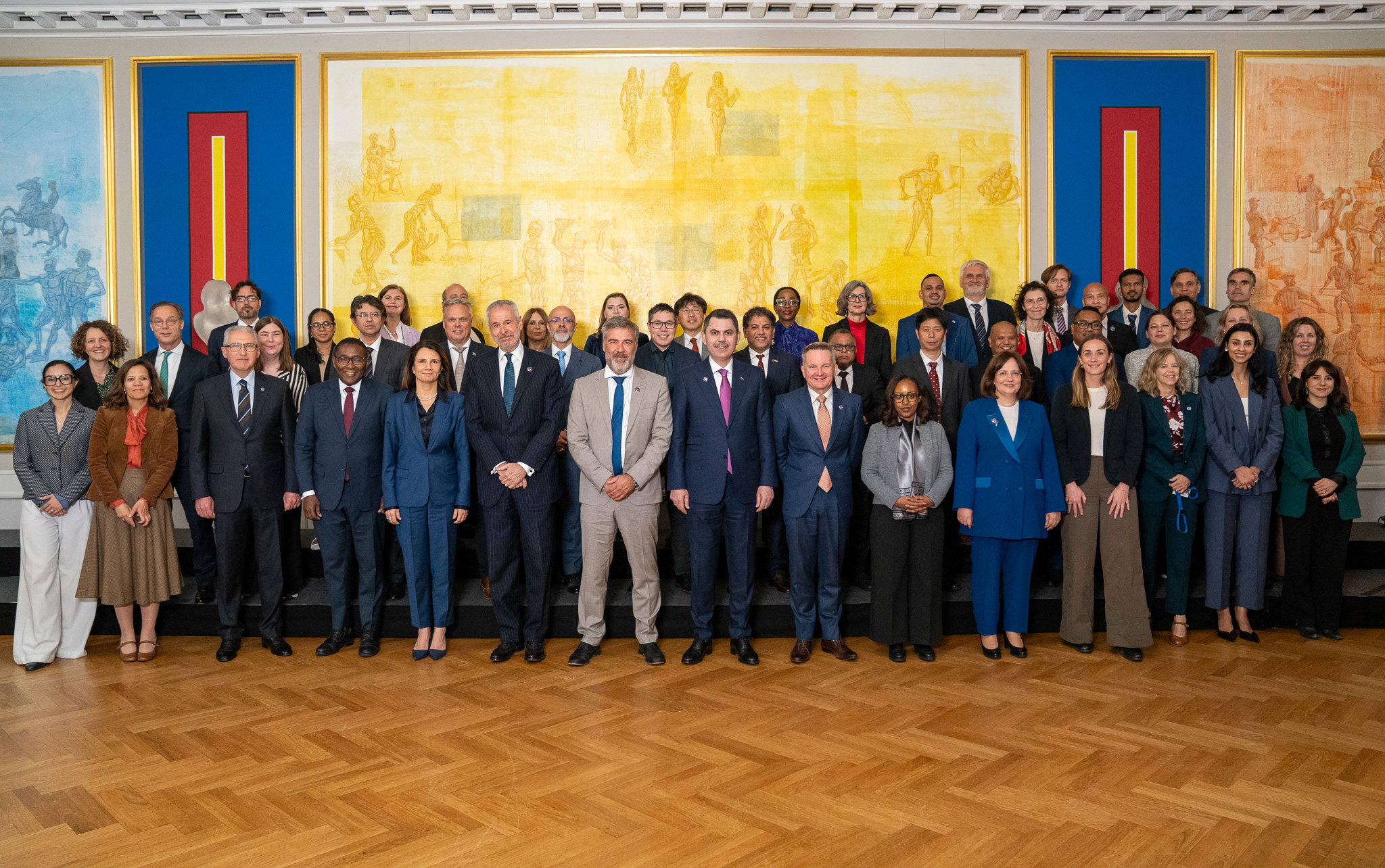
So what actually came out of the 2026 meeting?
Not agreements, and not commitments in any formal sense. The value lies elsewhere. These meetings adjust the range of what is politically realistic before positions are locked into the formal UN process. They function as a pressure-testing mechanism, identifying where political flexibility exists and where it has already hardened.
That role has become more important as COP negotiations have grown larger and more procedural. In that environment, informal ministerials like Copenhagen act as a kind of early alignment mechanism, helping to reduce surprises and narrow the gap between political rhetoric and negotiable reality.
The broader signal from the 2026 gathering is that climate diplomacy is continuing to evolve away from abstract target-setting and towards the material constraints of implementation. Energy systems, infrastructure build-out, industrial demand, and financial credibility are increasingly inseparable from climate ambition itself.
Seen in that light, Copenhagen is not where climate policy is decided. It is where governments quietly confront what their climate policy actually requires in practice, before those constraints become fixed in the formal negotiations that follow.
All photos courtesy of the Danish Ministry of Climate, Energy and Utilities.