Innovation Denmark 2035: A Strategic Framework for Economic Independence in a Changing World
Contributor Brendan K. Maginnis is a Copenhagen-based consultant specialising in US politics and transatlantic relations. He is the founder of MBH Consulting and the creator of the Innovation Denmark 2035 strategic framework.
In recent months, strains in the transatlantic relationship — from trade tensions and tariff threats to questions over NATO commitments and the status of Greenland — have created both challenges and a rare strategic opening for Denmark. Rather than viewing these developments purely as risks, Denmark has an opportunity to accelerate its move toward greater economic independence and long-term resilience.
To seize this moment, I have developed Innovation Denmark 2035 — a practical, structured framework designed to help Denmark build a more diversified, self-reliant economy. Modeled after ambitious national strategies such as China 2025, the plan focuses on leveraging Denmark’s existing strengths while addressing vulnerabilities exposed by global uncertainty.
The core objective is clear: create sustainable economic growth that delivers greater affordability for families, sustained job creation, continued funding for social services, and reduced economic pressures that often fuel immigration debates. The plan blends non-green drivers for quick wins with targeted green elements for future-proofing, all while respecting core Danish values of trust, collaboration, work-life balance, and inclusive innovation.
Here is a brief overview of the 10 Priority Sectors:
1. Life Sciences and Biotechnology
Denmark’s pharmaceutical giants, led by Novo Nordisk, currently drive a large share of GDP growth and exports. Expanding into personalized medicine, gene editing, and advanced diagnostics offers high-value export potential and thousands of skilled jobs.
2. Information Technology, AI, and Quantum Computing
With strong digital infrastructure and a highly educated population, Denmark can become a European leader in ethical AI and quantum technologies. This sector promises significant productivity gains and the ability to attract global tech talent.
3. Creative Industries and Experience Economy
Design, gaming, film, architecture, and cultural tourism already contribute around 6% of GDP. By investing in exports and digital content, Denmark can leverage its unique “hygge” brand and design heritage for new revenue streams and job creation.
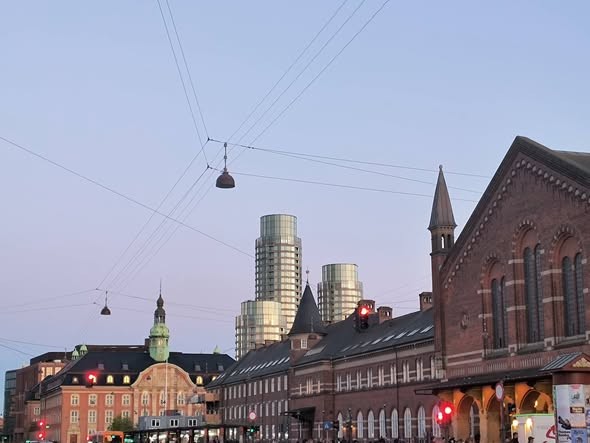
Denmark’s architectural legacy — bridging historic craftsmanship with cutting-edge sustainable design — remains one of its strongest cultural and economic assets
4. Fintech and Financial Services
Copenhagen’s growing fintech cluster (over 350 companies) is well-positioned to become the Nordic hub for digital finance, open banking, and sustainable finance solutions.
5. Maritime Equipment and Global Logistics
Anchored by Maersk, this sector is a Danish powerhouse. Expanding automation, green shipping technologies, and resilient supply chain solutions can turn current global disruptions into long-term competitive advantages.
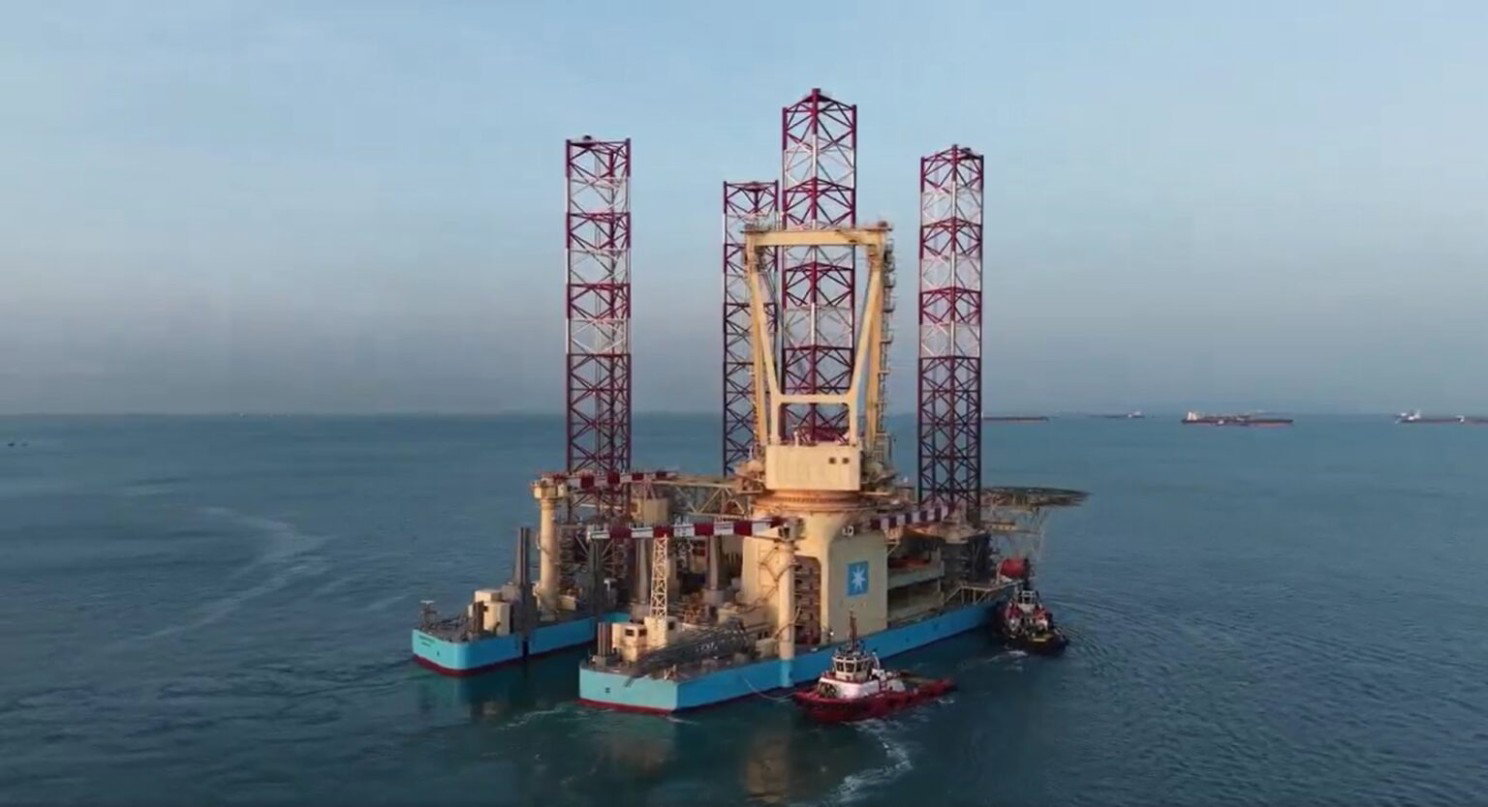
Denmark’s maritime and renewable energy strengths offer significant opportunities for export growth and energy independence
6. Advanced Manufacturing and Robotics
Precision engineering and smart factories can raise productivity across multiple industries while creating high-skilled jobs resistant to offshoring.
7. Defense and Critical Technologies
Rising NATO demands and geopolitical tensions create opportunities in cybersecurity, AI for defense, and dual-use technologies with strong civilian applications.
8. Renewable Energy and Power-to-X
Building on offshore wind leadership, Denmark can lead in green hydrogen and e-fuels, enhancing energy security and creating new export markets.
9. Sustainable Food Processing and Agrotech
High-tech food production and precision agriculture can boost rural jobs and maintain Denmark’s strong food export position.
10. Environmental Technologies
Selective focus on water, waste, and resource efficiency solutions that support broader industrial growth.
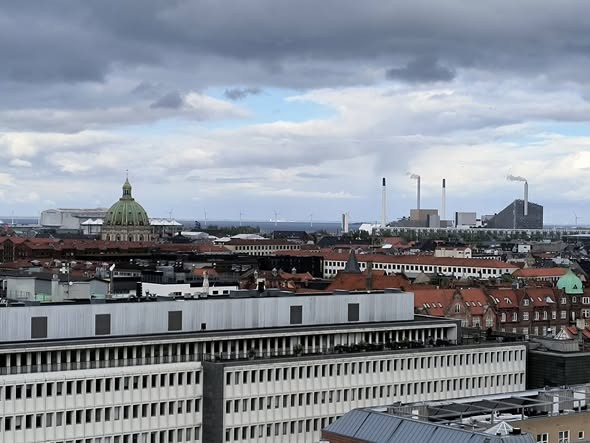
CopenHill (Amager Bakke) is a futuristic waste-to-energy power plant topped with an artificial ski slope, rooftop café, and hiking trail
Innovation Denmark 2035 is not about picking winners arbitrarily, but about deliberately building on Denmark’s proven advantages while addressing structural weaknesses. By concentrating efforts in these 10 areas, Denmark can create a more balanced, resilient economy capable of weathering future global shocks.
The coming months of coalition governance will be critical in determining how aggressively Denmark pursues this path. With the right mix of pragmatism, investment, and execution, Innovation Denmark 2035 can help transform current uncertainties into a stronger, more independent future.
Follow Brendan K Maginnis on LinkedIn for the full Innovation Denmark 2035 series, including past and future deep-dive posts, as well as standalone pieces on US-Denmark relations, transatlantic risk, and other relevant topics.