Green Kingdom or Green Mirage? Denmark’s Bid to Lead the Renewable Future
David Williams
'For years, Denmark has sold itself to the world as proof that modern capitalism can go green without sacrificing prosperity. Wind turbines rising from the North Sea have become part of the country’s international identity. Copenhagen is marketed as a living laboratory for sustainability. Organisations such as State of Green present Denmark not simply as a nation adapting to climate change, but as one actively designing the future.
The image is persuasive. In many ways, deservedly so.
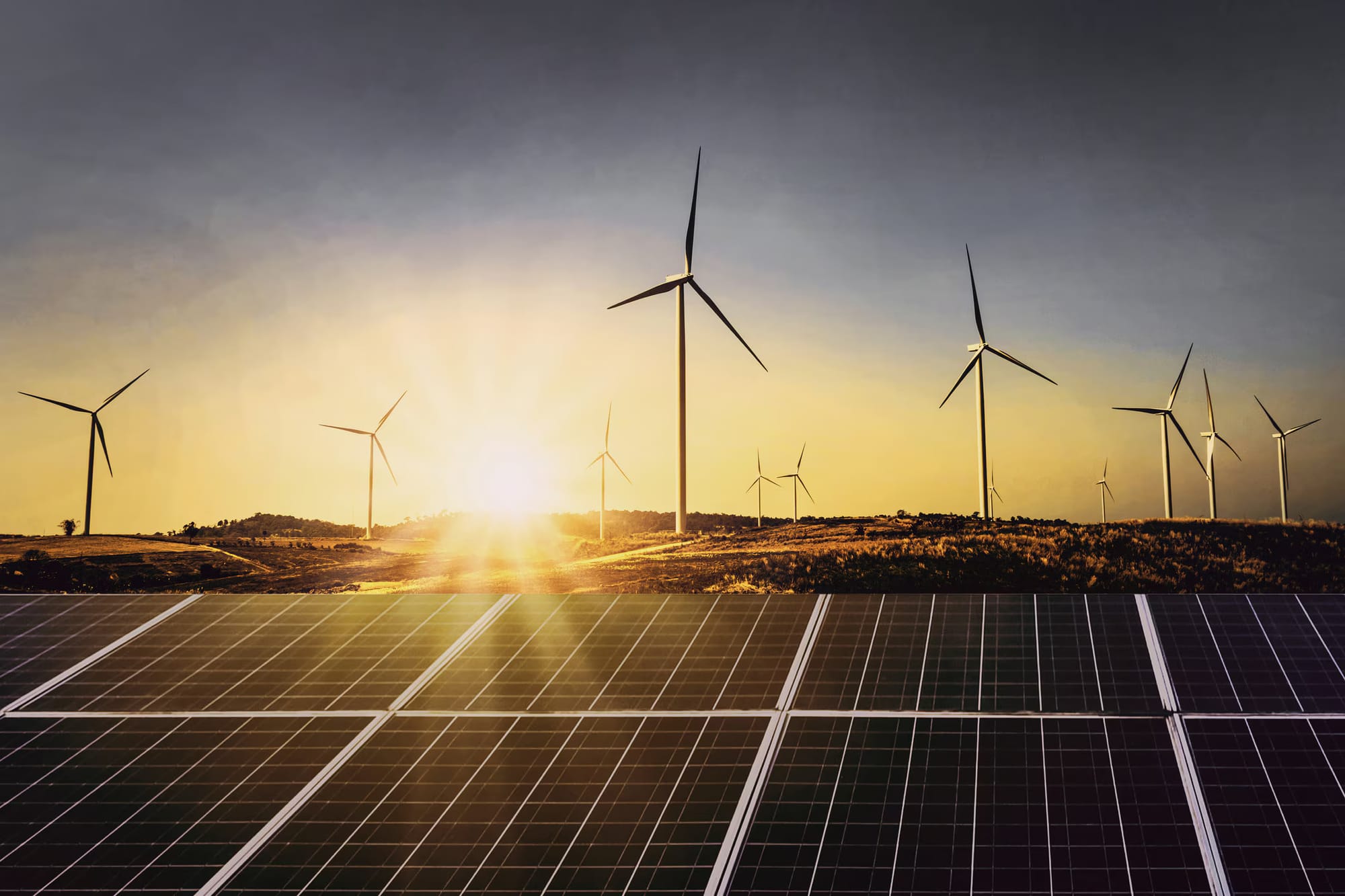
Denmark was among the first countries to take wind energy seriously on a national scale. What began decades ago as an alternative energy experiment is now deeply woven into the economy. Wind and solar reportedly produced around 70 per cent of Danish electricity in 2024, an extraordinary figure for an industrialised country. Offshore wind farms, district-heating systems and smart-grid technology have all become Danish exports as much as Danish infrastructure.
Yet the more interesting question is not whether Denmark looks green. It is whether the country can realistically maintain its position as a global centre for renewable-energy innovation in an increasingly competitive world.
Part of Denmark’s success comes from something larger than technology. The country has an unusual political culture. Governments, universities, pension funds and private companies often cooperate over long periods instead of working against each other. That stability matters. Energy transitions are not built in election cycles. They take decades.
Denmark also benefited from geography and timing. Strong North Sea winds gave it a natural advantage just as much of Europe began searching for alternatives to fossil fuels. Following Russia’s invasion of Ukraine, energy security became a strategic issue across the continent, and Danish expertise suddenly looked even more valuable.
But there are limits to the story Denmark tells about itself.
The Danish model is difficult to copy. Denmark is small, wealthy and politically stable, with high levels of public trust. It is easier to build consensus in a country of six million people than in sprawling industrial states with regional divisions and weaker infrastructure. What works in Denmark may not work in larger economies facing very different political realities.
There is also the uncomfortable fact that renewable leadership does not automatically equal environmental purity. Denmark still struggles with intensive farming, biodiversity loss and high consumer emissions. Critics have pointed out that the country’s environmental footprint remains substantial despite its clean electricity sector. A nation can successfully decarbonise power generation while continuing to consume resources at unsustainable levels.
Another challenge is emerging from within Denmark itself. As green infrastructure expands, so does resistance to it. Rural communities have pushed back against new solar fields and energy projects. Some residents complain about industrialising the countryside in the name of sustainability. The transition, once treated almost as a moral consensus, is becoming more politically contested.
Reporting by The Guardian has highlighted growing tensions across Europe over renewable energy expansion and land use, including fears that public support for green policies may weaken if ordinary people feel they are bearing the economic or social costs of the transition.
Then there is the global market. Denmark helped pioneer many green technologies, but pioneering an industry does not guarantee dominance forever. China now controls vast sections of the solar supply chain. The United States is pouring billions into clean-energy investment through massive subsidy programmes. Competition is becoming brutal.
Even Ørsted, Denmark’s flagship renewable-energy company and once viewed as the gold standard of green transition economics, has faced mounting financial pressures from inflation, supply-chain instability and rising construction costs. That matters because Denmark’s green reputation depends partly on the continued strength of companies like it.
Still, dismissing Denmark as a branding exercise would miss the point entirely. Few countries have gone as far in integrating renewable energy into daily life and national planning. Denmark has shown that large-scale green transformation is possible without economic collapse or political chaos. That alone carries global significance.
What remains uncertain is whether the country can stay ahead as the green transition moves from idealism into hard industrial competition.
The next decade may determine whether Denmark becomes the prototype for a renewable future, or simply the early pioneer that larger powers eventually outgrow.
For more Energy news, subscribe to the FREE LinkedIn Newsletter