Playing with Fire in Greenland
Anna Mælstrøm Jensen,
April 6, 2026.
It’s the kind of story that makes you pause. Denmark, usually cautious and measured, reportedly weighing plans to mine runways in Greenland and even prepare blood supplies in case of clashes with U.S. forces. If true, it’s not just surprising. It’s deeply unsettling.
Because this isn’t some distant rival. This is the United States.
Denmark’s security, prosperity, and global standing are tightly bound to its alliance with America. That’s just a fact. From protected trade routes to a thriving pharmaceutical sector, the Danish economy leans heavily on a stable, U.S.-led order. It’s easy to forget, until talk like this brings it sharply back into focus.
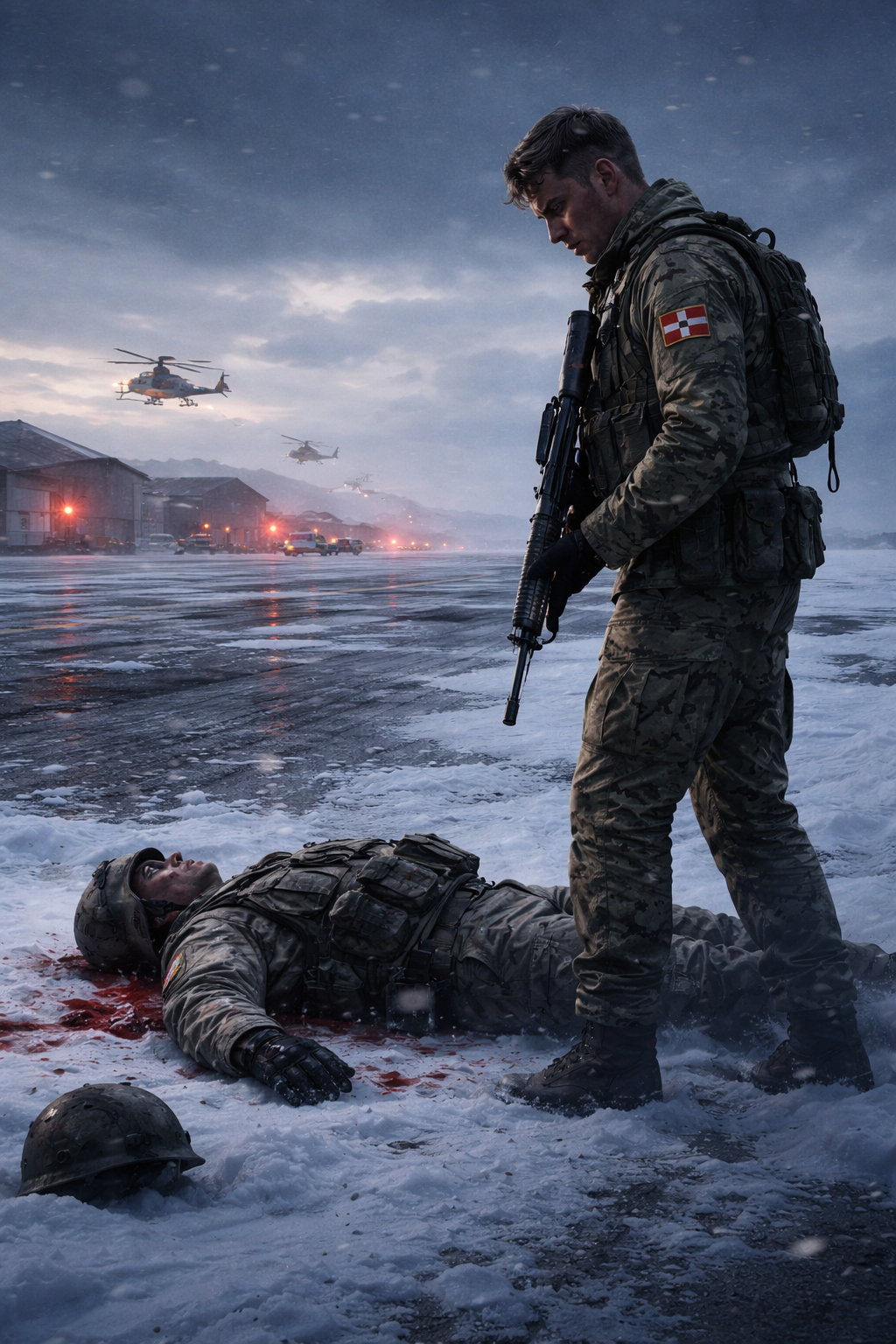
So imagine the unthinkable. A confrontation in Greenland. A U.S. serviceman killed.
There’s no soft version of what follows. Washington would not shrug it off. It would be seen as a direct attack. The fallout would be immediate, diplomatic ties strained, economic pressure applied, and Denmark’s position inside NATO thrown into question. And beyond that? A level of escalation Denmark could neither predict nor control.
Yet the tone surrounding this story feels oddly detached from those realities. As if signalling resolve has become more important than facing consequences. It’s a dangerous mindset.
History has seen it before. Before Pearl Harbor, parts of Japan’s leadership convinced themselves that the United States lacked the will to sustain a fight. They believed their own narrative of Japanese superiority. They were wrong, catastrophically so. If they had known the truth, they would never have attacked the United States.
Denmark is not Japan. But misjudging power, or letting rhetoric outrun reality, is a timeless mistake.
Which makes this feel less like strategy and more like performance. The kind of message that plays well in a tense political moment, perhaps even during an election cycle. Strong words. Dramatic scenarios. But at what cost?
Because even floating ideas like this shifts the ground. It hardens positions. It narrows options. It risks turning allies into adversaries, if only by degrees.
Denmark has never needed to posture like this. Its strength has always been quieter. Practical. Grounded in cooperation, not confrontation.
That’s the path that works. Not fantasies of standing up to a power on which so much already depends.
In the end, this isn’t about Greenland alone. It’s about judgment. And whether Denmark remembers where its real strength lies, before words turn into consequences that can’t be undone.