Is Greenland Back on Trump’s Cheeseboard? Lessons from the Iran Ceasefire
David Williams, Editor
April 8, 2026
The United States and Iran have agreed to a two-week ceasefire. It halts hostilities and reopens the Strait of Hormuz. Markets breathed a sigh of relief. European capitals followed suit.
But the reality is messier. Iran remains strong. Its regional leverage has grown. The country still controls a vital energy chokepoint.
Nuclear ambitions, sanctions, and military tensions are unresolved. The ceasefire is temporary. Fragile.
And yet Washington calls it a victory. That tells us more about strategy than outcomes. President Donald Trump escalates, applies pressure, then steps back and declares success. Complete resolution is optional. Visibility is enough.
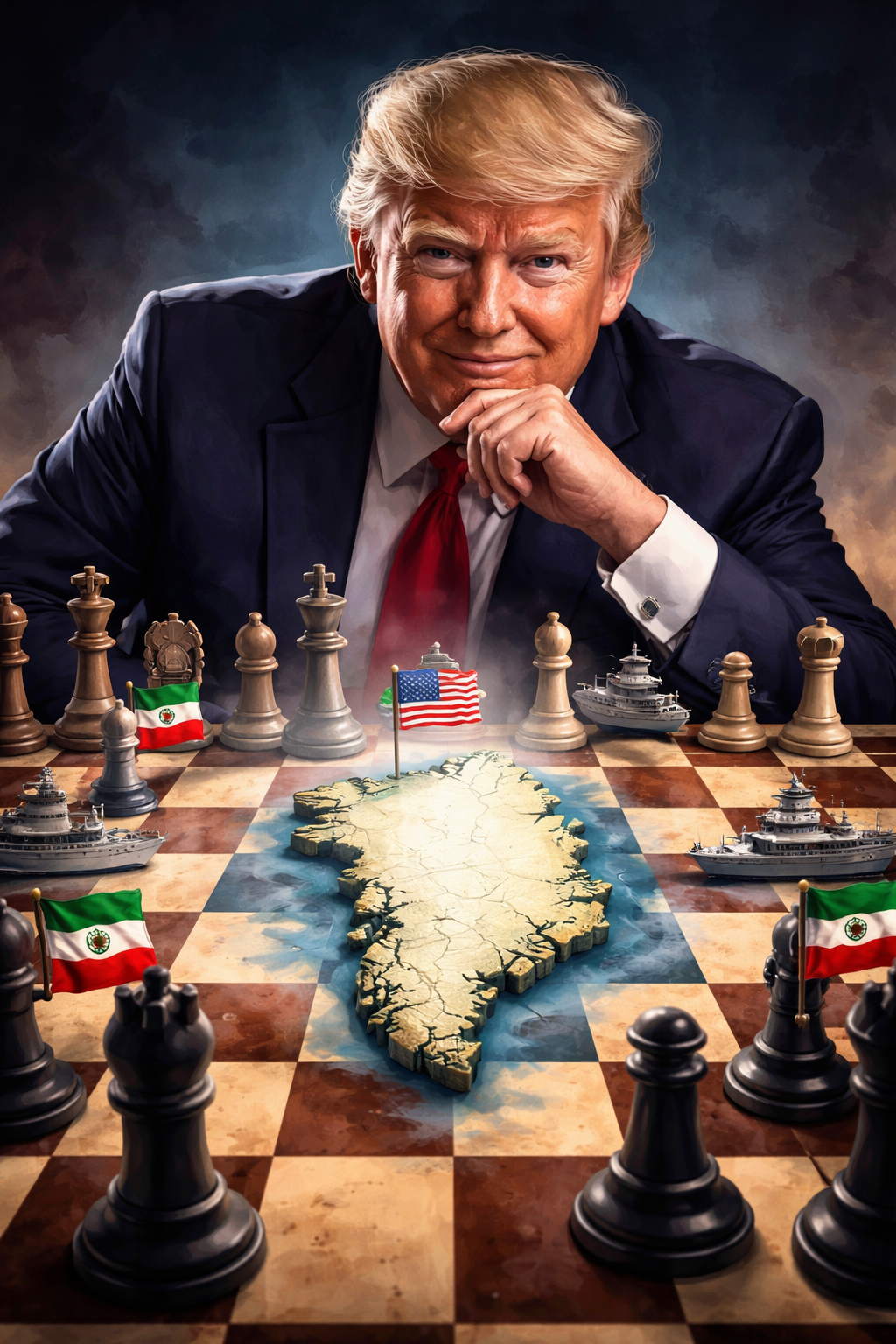
Now, consider Greenland. Once dismissed as a curiosity, the island is a strategic prize. Arctic security. Shipping routes. Rare minerals. All eyes will soon be back on it. Trump has repeatedly spotlighted Greenland. Reports suggest the U.S. seeks expanded military access at multiple sites. Denmark and Greenland call the talks cooperative. Others might call it pressure with a smile.
Denmark likes absolutes. Greenland is sovereign. That is clear. But partial outcomes can be framed as decisive. Expect a wave of expanded U.S. access, preferential resource rights, and growing influence could shift control in practice without ever breaching formal sovereignty. For Washington, that counts as a win.
The Iran ceasefire shows how this works. The U.S. left Iran intact. Yet the narrative framed a temporary halt as triumph. Alliances matter less than leverage. Relationships are instruments. Guarantees are optional.
In reality, Denmark faces no serious military threat. NATO European allies remain a vocal shield. The danger is subtler. Influence will grow quietly. Concessions will be won incrementally. Requests will become negotiations. Negotiations will become deals. Small shifts will accumulate unnoticed until they matter.
Greenland’s people have repeatedly rejected U.S. ownership. International law, NATO commitments, and European support remain in place. But Denmark can no longer assume Greenland is untouchable simply because it is loyal.
The Iran ceasefire is a warning. Success is often about the story, not the substance. Pressure, once applied, rarely disappears without leaving a mark.
For Greenland, the question is no longer whether Washington is interested. The real test is whether Denmark can chart a new strategy before U.S. influence washes over the island like an unstoppable tide.