Ink in the Cocoon: The Slow Death and Strange Rebirth of Journalism

David Williams, Editor
April 15, 2026
Once upon a time, newspapers used to feel alive. Ink on your fingers. Pages spread across a table. A quiet sense that what you were reading mattered.
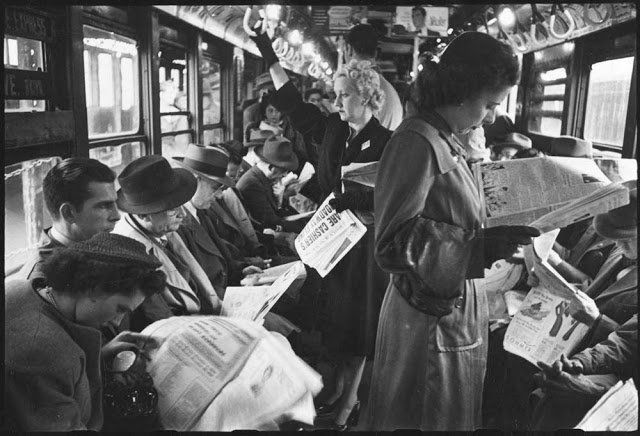
Now they feel thinner, smaller, less weighty in every sense.
Newsrooms are shrinking. Experienced reporters are leaving, desks are merging, and fewer people are doing more work under tighter pressure. Foreign bureaus are gone. Layers of editing have been stripped back. Yet the paper itself looks almost unchanged.
That is part of the problem.
The structure is the same. The tone is the same. The voice still speaks from above, as if nothing fundamental has shifted. But everything has.
Readers have not disappeared. They have moved. They scroll, watch, listen. They expect immediacy and a sense of connection. What they reject is distance. The old patrician authoritative voice no longer reassures. It not only feels cold, but sometimes it feels out of touch.

Advertising has followed attention out the door. The old model was simple. Build a large audience and sell access to it. That world is gone. Attention now is fragmented, tracked, and sold with precision that newspapers cannot match. The result is slow financial decline, followed by cuts, followed by more decline.
And still, the industry repeats itself. In truth, today’s struggling news business is simply reinventing the wheel it has been turning for 200 years. Resistance. Reinvention into the same thing. Again and again.
What is breaking now is not just the business model. It is the belief behind it.
Newspapers long saw themselves as guardians of truth and justice. There is something admirable in that. There is also a kind of blindness. Over time, that role became rigid. Too close to power. Too comfortable with access. Too slow to question itself.
Readers began to notice. Trust thinned.
Yet the industry still clings to its self-image. Like Shakespeare’s Desdemona, it sees itself as virtuous and wronged. It struggles to understand why it is no longer believed.
And now something else is happening, first beneath and now above the surface.
They call it decline, but it is actually a transition into a cocoon stage.
Inside the cocoon, a new form is taking shape. Not fully formed, not fully trusted, but unmistakable. Journalism is metamorphosing.

The word “journalist” itself is starting to feel dated, almost Dickensian. At some point, it may fade altogether. Everyone folded into a broader category. Influencers. People speaking directly, building their own audiences, doing the work themselves instead of handing it to institutions.
These figures are not the final stage. They are part of the transformation.
For all their flaws, influencers shrink the gap. They speak directly, respond quickly, and evolve in public. They are inside the conversation, not standing above it.
That matters.
Because much of traditional journalism now feels processed. Efficient, polished, but distant. Too often, it reads like copy rather than reporting. Information is delivered, but not always felt.
Influencers, imperfect as they are, bring back immediacy. Presence. A sense that someone is actually there.
But, for sure, this is not the endpoint. It is the cocoon stage. Messy, unstable, necessary. Something else will emerge from it. Something that combines credibility with connection, rigour with voice.
The old institutions are heavy and overlaboured. Their history gave them strength. Now it slows them down. Around them, lighter forms are moving faster, testing new ground.
The cocoon is tightening. It cannot hold forever.
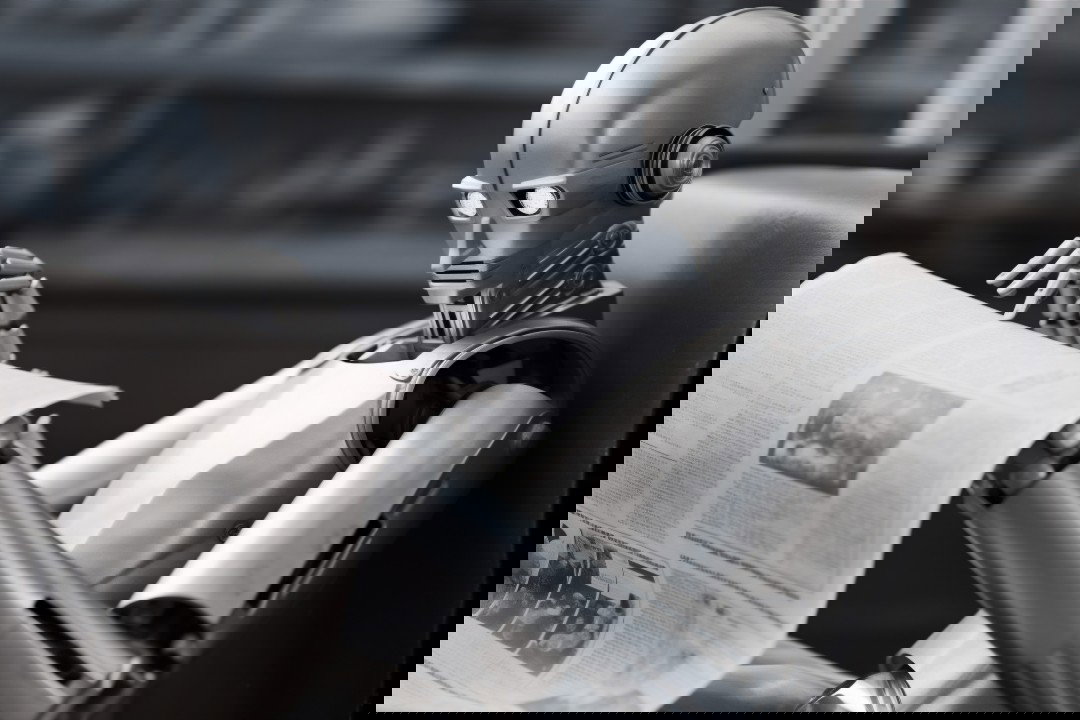
The question is not whether the industry will survive. It is whether those who once defined it can recognise what it is becoming.