AI: The Monster We Fear — Or the Democracy We Need?
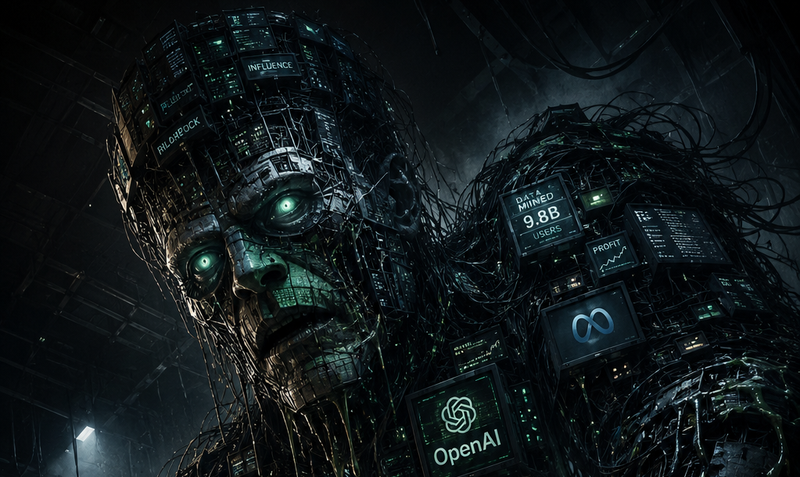
When Denmark's Prime Minister, Mette Frederiksen, recently warned in a video address linked to an event in Copenhagen that artificial intelligence could become a "monster," recalling a conversation in which she cautioned OpenAI CEO Sam Altman about the dangers of unchecked development, she voiced a concern shared by many world leaders.
David Williams
The fear is understandable. AI has the potential to manipulate information, influence public opinion, and concentrate power in unprecedented ways. Left unregulated, it could undermine trust in democratic institutions.
Yet there is another possibility that receives far less attention. What if AI's greatest impact is not weakening democracy but strengthening it?
By giving citizens instant access to knowledge, policy analysis, and government data, AI could reduce reliance on political gatekeepers and empower people to engage more directly in public life. Some of the functions traditionally performed by politicians, advisers, and bureaucracies may become less essential in a world where information is available to everyone on demand.
This raises an uncomfortable question: is some of the anxiety about AI driven not only by its risks, but also by its potential to redistribute power?
Clearly, AI is too important to be left solely in the hands of tech billionaires or even politicians; perhaps its governance should be entrusted to an independent international judicial body, similar in principle to, say, the American Supreme Court, with judicial appointments from every country in the world, an institution designed to interpret rules and safeguard fundamental rights rather than pursue political or commercial interests?
The challenge we face is not whether AI becomes a monster. The challenge is who decides what kind of creature it becomes. The answer to that question may determine not only the future of technology, but the future of democracy itself.